
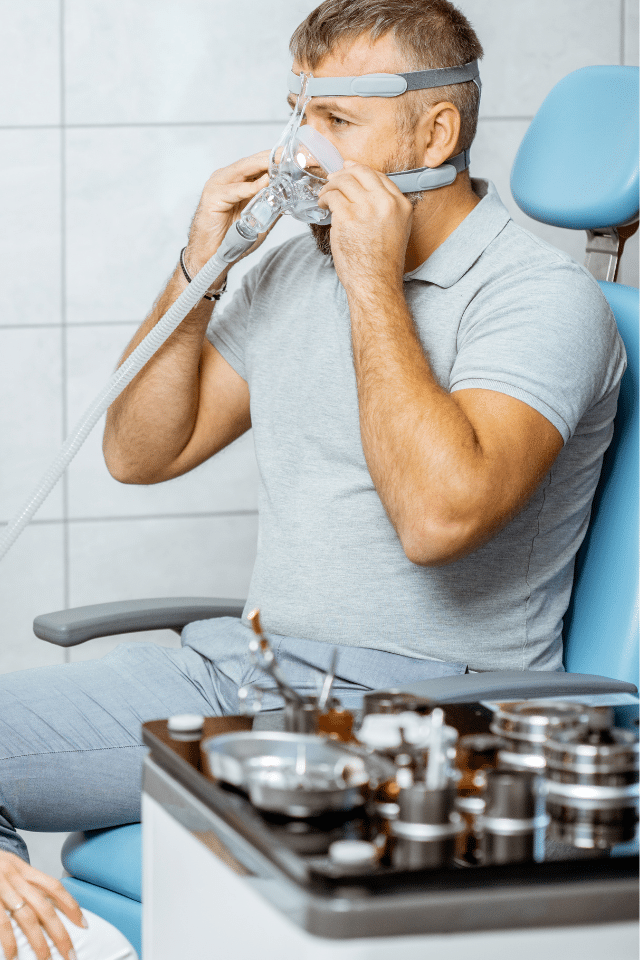
Snoring is one of the obvious symptoms of sleep apnea, a potentially fatal condition in which a person stops breathing while asleep, often for as long as 10 seconds and upward of 20 times per hour.
The most common form of sleep apnea is obstructive sleep apnea (OSA), which is caused by airway blockage, such as the collapse of soft tissue in the back of the throat or by movement of the tongue. Although many people may not consider sleep apnea a dental problem, it can be effectively treated with oral appliances.
Our goal is to restore healthy, uninterrupted sleep and reduce loud, disruptive snoring. If not treated, sleep apnea can result in daytime drowsiness and lead to severe health problems, including high blood pressure and an increased risk of stroke.
Am I at Risk for Sleep Apnea?
While anyone, regardless of gender or age, can develop OSA, there are factors that indicate an increased risk for sleep apnea, including:
- Deviated septum or nasal obstructions
- Obesity
- Family history of sleep apnea
- High blood pressure
- Regular alcohol consumption
- Smoking
- Regular use of sedatives
Fortunately, there are a number of sleep apnea treatment choices, such as oral appliances and the new Micr02 sleep and snore device. Your thorough exam with Dr. Frye at Dentonics will determine the best solution for you; if necessary, we can refer you to a sleep center for further evaluation.