
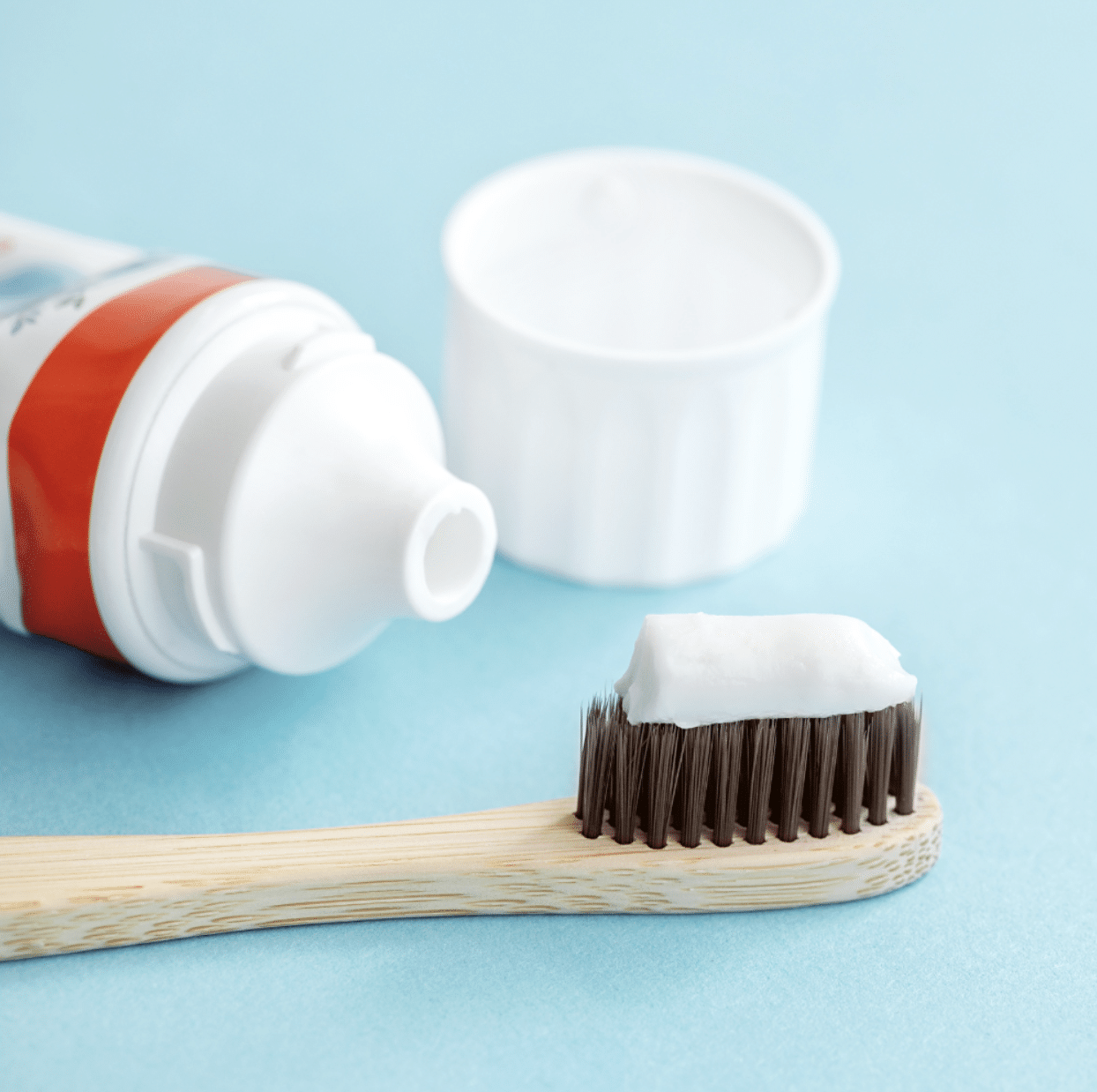
Taking care of your oral health starts with the basics: brushing your teeth daily with the right toothbrush and toothpaste. But with so many options on the market, how do you know which products are best for you? At Dentonics, we understand that maintaining a healthy smile requires using tools that meet your specific dental needs. In this guide, we’ll walk you through how to choose the right toothbrush and toothpaste to keep your teeth and gums in top condition.
Choosing the Right Toothbrush
Your toothbrush is your first line of defense against plaque and cavities, so selecting the right one is crucial for effective oral care.
1. Manual vs. Electric Toothbrushes
One of the first decisions you’ll face is whether to use a manual or electric toothbrush. Both have their advantages:
- Manual toothbrushes: These are the most widely available and affordable option. If used correctly, they can be just as effective as electric toothbrushes. They also come in a variety of sizes, bristle types, and handle designs.
- Electric toothbrushes: These can be especially helpful for people who have difficulty brushing effectively, such as those with arthritis or limited dexterity. The vibrating or rotating action of electric toothbrushes helps remove more plaque with less effort. Many electric models also come with features like timers to ensure you’re brushing for the recommended two minutes.
Ultimately, the choice between manual and electric comes down to personal preference. However, if you struggle with maintaining a thorough brushing routine or have specific dental issues, an electric toothbrush may be a better investment.
2. Bristle Type
Toothbrush bristles come in soft, medium, and hard varieties, but soft-bristled brushes are usually the safest and most effective option for most people. Here’s why:
- Soft bristles: These are gentle on your gums and enamel but still effective at removing plaque and food debris. Soft bristles are ideal for people with sensitive teeth or gum recession.
- Medium and hard bristles: While they may seem more effective at scrubbing, medium and hard bristles can cause enamel erosion and gum irritation over time if used aggressively.
Unless recommended by your dentist for specific needs, it’s generally best to stick with a soft-bristled toothbrush to protect your teeth and gums from unnecessary wear and tear.
3. Size and Shape
Your toothbrush should fit comfortably in your mouth and allow you to reach all areas, including your molars. Toothbrush heads come in various sizes, but a smaller head is often more effective for getting into tight spaces. The shape of the handle should also be easy to grip and maneuver, especially if you have any mobility issues.
A toothbrush with a rounded or angled head can help clean along the gum line more effectively, and some designs come with rubber grips for added control. Choose a toothbrush that feels comfortable to use and allows you to clean your teeth thoroughly.
Choosing the Right Toothpaste
Just like toothbrushes, toothpaste comes in a wide range of options designed to address specific dental needs. Here are the key factors to consider when choosing the best toothpaste for you.
1. Fluoride Content
Fluoride is a natural mineral that helps strengthen enamel and prevent cavities. Most toothpaste brands contain fluoride, which is recommended by dental professionals as an essential ingredient for protecting your teeth. Fluoride helps reverse early signs of tooth decay and makes your teeth more resistant to acid attacks from plaque and sugars.
If you’re unsure about which type of fluoride toothpaste is best, consult your dentist, but in general, fluoride toothpaste is beneficial for most people.
2. Specific Oral Health Needs
Different types of toothpaste are formulated to target various dental concerns. Here are a few of the most common options:
- Whitening toothpaste: If you want a brighter smile, whitening toothpaste contains mild abrasives that help remove surface stains. However, these toothpastes can be too abrasive for people with sensitive teeth, so use them cautiously.
- Sensitive toothpaste: If you experience discomfort when consuming hot, cold, or sweet foods, a toothpaste for sensitive teeth can help. These products contain ingredients like potassium nitrate or stannous fluoride, which help block nerve sensitivity in your teeth.
- Tartar control toothpaste: Tartar (hardened plaque) can contribute to gum disease. Tartar control toothpaste contains ingredients that help prevent plaque from hardening on your teeth, making it easier to remove during brushing.
- Natural toothpaste: For those looking for fluoride-free or chemical-free options, natural toothpastes often use alternative ingredients like baking soda or essential oils. However, it’s important to note that fluoride is highly effective at preventing cavities, so skipping it may not be advisable for everyone.
3. ADA Seal of Acceptance
When shopping for toothpaste, look for the American Dental Association (ADA) Seal of Acceptance. This seal ensures that the toothpaste has been scientifically tested and meets rigorous safety and efficacy standards. ADA-approved toothpaste will contain the necessary ingredients to promote good oral health, such as fluoride, while ensuring it’s safe for everyday use.
Tailoring to Your Personal Needs
The right toothbrush and toothpaste for you depends on your unique oral health situation. For example, people with sensitive teeth or gum disease may need special formulations, while others may focus on whitening. If you’re uncertain, a consultation with your dentist can help you choose products that cater to your specific needs.
Additionally, changing your toothbrush every three to four months (or sooner if the bristles are frayed) and maintaining good oral hygiene practices, such as brushing twice a day and flossing daily, will help maximize the benefits of your chosen products.
Choosing the right toothbrush and toothpaste is an important part of maintaining your oral health. Whether you’re opting for a soft-bristled manual toothbrush or an electric model, pairing it with a fluoride toothpaste that meets your individual needs will help you maintain a healthy, beautiful smile. At Dentonics, we encourage you to schedule regular dental checkups so we can assess your oral health and provide personalized recommendations for your home care routine. With the right tools and professional guidance, you can keep your teeth and gums in great shape for years to come.